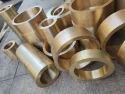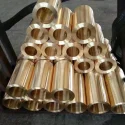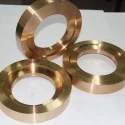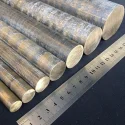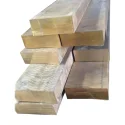
Tin Bronze Plate
High-Performance Self-Lubricating Bronze Bushing Solutions & Technologies. Minimize downtime, extend service life, and reduce costs for dynamic applications.
Description
Decoding Bronze Alloy Standards: A Guide to BC1, BC2, BC3, BC6 & International Equivalents
Navigating the Maze of Bronze Designations
In our previous deep dive, we explored the properties and applications of BC2 / CAC402 Tin Bronze. However, the world of bronze alloys is vast, and navigating the different naming conventions across international standards can be challenging. Designations like BC1, BC3, or BC6 under JIS or CNS standards might correspond to different codes under ASTM (USA), GB (China), or DIN (Germany).
This guide aims to demystify these common bronze casting alloys, providing a clear comparison based on the data linking various standards. We’ll focus on BC1, BC2, BC3, and BC6, outlining their typical compositions, key characteristics, and common applications, using the cross-standard references provided.
Comparative Overview Table: BC1, BC2, BC3, BC6
Different countries and standards organizations (like JIS, ASTM, GB, CNS, DIN) have developed their own systems for classifying materials. While alloys designated as “equivalent” across standards are intended for similar applications and possess broadly similar properties, minor variations in composition limits or testing methods might exist. Always refer to the specific standard and material certification for critical applications.
-
JIS (Japanese Industrial Standard): Uses designations like BCx (e.g., BC2) often linked to more specific casting codes like CACxxx (e.g., CAC402). H5111/H5120/H5121 refer to the standards for the castings themselves.
-
ASTM (American Society for Testing and Materials): Uses UNS numbers, often starting with C (Copper alloys), like C8xxxx or C9xxxx (e.g., C90300, C83600). B-standards like B584 (Sand Castings) or B505 (Continuous Castings) define the product form.
-
GB (Guobiao standards – China): Uses codes often starting with ZCu… indicating a cast copper alloy, followed by key alloying elements and percentages (e.g., ZCuSn10Zn2).
-
CNS (Chinese National Standards – Taiwan): Uses designations similar to JIS, like BCx (e.g., BC1, BC2).
-
DIN (Deutsches Institut für Normung – Germany): Uses codes like G-Cu… (Cast Copper) followed by alloying elements (e.g., G-CuSn10Zn).
A Note on “C” Suffix (e.g., BC1C, BC2C): This typically indicates Continuous Casting. Continuous casting generally produces a finer grain structure, higher density, and potentially superior mechanical properties compared to traditional sand casting for the same nominal alloy composition. ASTM often uses standard B505 for continuous cast versions.
Comparative Overview Table: BC1, BC2, BC3, BC6
This table consolidates the provided information and adds context about composition and typical use:
| Common Group | Standard & Code | Specific Material Designation | Typical Composition (Approx. %) | Key Characteristics & Common Uses |
| BC1 / C84400 | CNS 4125 | BC1 / BC1C | Cu ~81, Sn ~3, Pb ~7, Zn ~9 | Leaded Semi-Red Brass: Moderate strength, good machinability, fair corrosion resistance. Often used for general hardware, low-pressure fittings, plumbing fixtures, ornamental castings. Note: GB ZCuSn3Zn11Pb4 has different Pb/Zn ratio. |
| GB 1176 / 1176-87 | ZCuSn3Zn11Pb4 | Cu ~82, Sn ~3, Pb ~4, Zn ~11 | (Similar applications to C84400, composition closer to 82-3-4-11) | |
| JIS H5111 | BC1 / BC1C | (Implied similar to C84400/ZCuSn3…) | (See above) | |
| ASTM B584 / B505 | C84400 | Cu 81, Sn 3, Pb 7, Zn 9 | (See above) | |
| BC2 / CAC402 / C90300 | CNS 4125 | BC2 / BC2C | Cu ~88, Sn ~8, Zn ~4 | Tin Bronze (Navy G Type): Good mix of strength, wear resistance, and corrosion resistance (esp. seawater). Bushings, bearings, gears, marine fittings, pump & valve components (medium load). Low Lead. |
| JIS H5111/H5120/H5121 | BC2 / BC2C / CAC402 | Cu 86-90, Sn 5-7, Zn 3-7, Pb 1-3 | (See above – Note JIS allows slightly wider Sn/Zn/Pb range than typical C90300) | |
| ASTM B584 / B505 | C90300 | Cu 86-89, Sn 7.5-9, Zn 3-5, Pb <0.3 (max) | (See above – Note ASTM C90300 has tighter/lower Pb limit than JIS CAC402) | |
| BC3 / CAC403 / C90500 | CNS 4125 | BC3 / BC3C | Cu ~88, Sn ~10, Zn ~2 | Tin Bronze / Gunmetal: Higher strength & wear resistance than BC2 due to increased Tin. Good for higher load/pressure bearings, bushings, gears, piston rings, steam fittings. Low Lead. |
| GB 1176 | ZCuSn10Zn2 | Cu ~88, Sn ~10, Zn ~2 | (See above) | |
| JIS H5111/H5120/H5121 | BC3 / BC3C / CAC403 | Cu 86-90, Sn 9-11, Zn 1-3, Pb <1.0 (max) | (See above) | |
| ASTM B584 / B505 | C90500 | Cu 86-89, Sn 9-11, Zn 1-3, Pb <0.3 (max) | (See above) | |
| DIN 1705 | G-CuSn10Zn | Cu ~88, Sn ~10, Zn ~2 | (See above) | |
| BC6 / CAC406 / C83600 | CNS 4125 | BC6 | Cu ~85, Sn ~5, Pb ~5, Zn ~5 | Leaded Red Brass (85-5-5-5): The “workhorse” plumbing alloy. Excellent machinability, good corrosion resistance, moderate strength, pressure tight. Widely used for valves, fittings, pump components, low-load bearings. |
| GB 1176 | ZCuSn5Pb5Zn5 | Cu ~85, Sn ~5, Pb ~5, Zn ~5 | (See above) | |
| JIS H5111/H5120/H5121 | BC6 / CAC406 | Cu 83-87, Sn 4-6, Pb 4-6, Zn 4-6 | (See above) | |
| ASTM B584 / B505 | C83600 | Cu 84-86, Sn 4-6, Pb 4-6, Zn 4-6 | (See above) | |
Note: Compositions are typical/nominal ranges based on standards. Exact limits vary. Check specific standard revisions.
Contrasting the Alloys: Key Differences
-
Lead Content: This is a major differentiator.
-
Higher Lead (BC1/C84400, BC6/C83600): Improves machinability significantly and adds some lubricity/embeddability for bearings. Often used where pressure tightness (plumbing) and ease of manufacturing are key. BC6 (85-5-5-5) is generally considered superior to BC1 (81-3-7-9 / 82-3-4-11) for pressure applications and has slightly better overall properties.
-
Low Lead (BC2/C90300, BC3/C90500): Primarily Tin Bronzes. Lead is kept low (<1% or <0.3% in some specs). Chosen for better strength, wear resistance, and where lead leaching is a concern (though not typically rated lead-free for potable water by modern standards without specific certification).
-
-
Tin Content: Primarily affects strength and wear resistance in the Tin Bronzes.
-
BC3/C90500 (~10% Sn): Higher strength and wear resistance compared to BC2. Suitable for more demanding bearing and gear applications.
-
BC2/C90300 (~8% Sn): Good all-around Tin Bronze for general-purpose bearings and components requiring good strength and corrosion resistance.
-
BC6/C83600 (~5% Sn): Lower tin, balanced with lead and zinc for general utility.
-
BC1/C84400 (~3% Sn): Lowest tin content of this group, properties more influenced by zinc and lead.
-
-
Primary Application Focus:
-
BC1 & BC6: General purpose, leaning heavily towards plumbing, valves, fittings due to lead content (machinability, pressure tightness). BC6 is extremely common.
-
BC2 & BC3: Primarily bearing & gear materials, also used for stronger components. BC3 is the step-up from BC2 when higher loads or wear resistance are needed.
-
Conclusion: Making the Right Choice Across Standards
Understanding how common bronze alloys like BC1, BC2, BC3, and BC6 translate across JIS, ASTM, GB, CNS, and DIN standards is crucial for accurate material specification and sourcing.
-
BC6 / C83600 (85-5-5-5): Your go-to for general plumbing, fittings, and easily machined parts.
-
BC1 / C84400: Similar applications to BC6 but generally considered a slightly lower-grade material.
-
BC2 / CAC402 / C90300: A robust Tin Bronze for general-purpose bearings, bushings, and components needing good strength and corrosion resistance with low lead.
-
BC3 / CAC403 / C90500: The higher-strength Tin Bronze option for more demanding bearings, gears, and pressure components where low lead is also desired.
By using this comparative guide, engineers and designers can better navigate the complexities of international bronze standards and select the most appropriate material for their application, ensuring performance, reliability, and cost-effectiveness. Always double-check the specific requirements of the standard and casting method (sand vs. continuous) when making final selections.
| Type | Standard | Country Code |
| BC1 | 4125 | CNS |
| ZCuSn3Zn11Pb4 | 1176 | GB |
| BC1 | H5111 | JIS |
| C84400 | B584 | ASTM |
| BC1C | 4125 | CNS |
| ZCuSn3Zn11Pb4 | 1176-87 | GB |
| BC1C | H5111 | JIS |
| C84400 | B505 | ASTM |
| BC2 | 4125 | CNS |
| BC2 | H5111 | JIS |
| C90300 | B584 | ASTM |
| BC2C | 4125 | CNS |
| BC2C | H5111 | JIS |
| BC3 | 4125 | CNS |
| ZCuSn10Zn2 | 1176 | GB |
| BC3 | H5111 | JIS |
| C90500 | B584 | ASTM |
| G-CuSn10Zn | 1705 | DIN |
| BC3C | 4125 | CNS |
| BC3C | H5111 | JIS |
| BC6 | 4125 | CNS |
| ZCuSn5Pb5Zn5 | 1176 | GB |
| BC6 | H5111 | JIS |
| C83600 | B584 | ASTM |
Disclaimer: This information is compiled based on the data provided and publicly available standards information. It is intended for general guidance only. Always consult the specific, current version of the relevant standards and obtain material certifications from suppliers for critical engineering applications. Composition ranges and properties can vary.
Oversided Bronze Bearings- Alloy Selection
With focus on bronze alloy bearings
Bronze alloy bearings are used in various industrial and automotive applications due to their durability, low friction, and ability to withstand high loads and speeds. These bearings are typically made from a copper-based alloy, with additions of tin, lead, or aluminum, which can further enhance their properties like wear resistance and corrosion resistance.
The choice of alloy for oversized bronze bearings requires consideration of their specific physical, mechanical and metallurgical properties. These bearings, also known as large diameter bronze bearings, are designed to handle loads larger than standard sizes. The choice of alloy depends on the application requirements. There are a variety of alloys commonly used for centrifugal casting of bronze bearings, but the choice is based on specific working conditions, such as load capacity, wear resistance, and working temperature. Therefore, these properties need to be evaluated in detail to select a suitable alloy.
Applications: Industrial – Selecting Bronze Bearing Materials
Bronze alloy bearings are known for their excellent corrosion and wear resistance. They generally have good impact resistance and can withstand a variety of environmental conditions. Common bronze alloys, such as SAE660 (C93200), have good machinability, moderate strength, good ductility, and excellent friction resistance. When choosing bearing bronze, it is necessary to consider its corrosion resistance in specific environments.
Choosing the Right Bronze Alloy for Oversized Bearings
Oversized bronze bearings are widely utilized in heavy machinery, marine applications, mining equipment, and other demanding fields. Selecting the appropriate bronze alloy is crucial for optimal performance and longevity. The following are common bronze alloys suitable for oversized bearings:
Common Alloys:
-
Tin Bronze (CuSn)
-
Composition: Typically contains 3% to 12% tin.
-
Characteristics: Offers good wear resistance and corrosion resistance, suitable for medium load and medium speed applications.
-
Applications: Commonly used in general machinery, pumps, valves, and marine components.
-
-
Aluminum Bronze (CuAl)
-
Composition: Typically contains 5% to 12% aluminum.
-
Characteristics: Exhibits excellent corrosion resistance, especially in seawater environments, along with high strength and wear resistance.
-
Applications: Widely used in the marine industry, offshore equipment, heavy machinery, and mining machinery.
-
-
Phosphor Bronze (CuSnP)
-
Composition: Typically contains 0.03% to 0.35% phosphorus.
-
Characteristics: Good elasticity and wear resistance, suitable for high load, high speed, and corrosive working conditions.
-
Applications: Commonly found in bearings, springs, and pressure vessels.
-
-
Lead Bronze (CuPb)
-
Composition: Contains 10% to 30% lead.
-
Characteristics: Offers good self-lubricating properties and wear resistance. The presence of lead reduces the friction coefficient but can have environmental impacts, leading to its gradual replacement in some applications.
-
Applications: Suitable for low-speed, heavy-load applications, typically used in large machinery and mining equipment.
-
-
Manganese Bronze (CuMn)
-
Composition: Typically contains 5% to 15% manganese.
-
Characteristics: Possesses high strength, wear resistance, and corrosion resistance, with excellent performance in seawater and acidic environments.
-
Applications: Suitable for marine environments and heavy industrial equipment.
-
Differences in Mechanical Properties of Alloys:
The mechanical properties of these alloys vary, primarily in the following aspects:
-
Wear Resistance:
-
Aluminum bronze, manganese bronze, and phosphor bronze generally offer good wear resistance, suitable for high-load and high-speed conditions.
-
Tin bronze has moderate wear resistance, suitable for medium-load applications.
-
-
Corrosion Resistance:
-
Aluminum bronze and manganese bronze have very strong corrosion resistance, making them particularly suitable for marine or chemically corrosive environments.
-
Tin bronze and phosphor bronze perform well in humid and mildly corrosive environments but poorly in strong acids or seawater.
-
-
Strength and Toughness:
-
Manganese bronze has very high strength, suitable for bearing significant loads.
-
Aluminum bronze also has high strength, suitable for medium to high loads, but its toughness is slightly lower.
-
Tin bronze and phosphor bronze have good strength and toughness, but they are somewhat inferior to aluminum bronze and manganese bronze in these aspects.
-
-
Self-Lubrication:
-
Leaded bronze alloys offer excellent self-lubricating properties, suitable for low-speed, heavy-load conditions.
-
Other alloys have poorer self-lubricating properties, but this can be improved by adding lubricants or applying special surface treatments.
-
How to Select the Appropriate Bronze Alloy Based on Application Conditions:
When selecting the right bronze alloy, consider the following factors:
-
Load and Speed:
-
For low-speed, heavy-load applications, lead bronze or phosphor bronze alloys can be chosen.
-
For high-load, high-speed applications, manganese bronze or aluminum bronze alloys are preferable.
-
-
Working Environment:
-
If the working environment is humid or involves exposure to corrosive media like seawater or chemicals, aluminum bronze or manganese bronze are recommended due to their excellent corrosion resistance.
-
In dry environments, or when wear performance is the primary concern, tin bronze and phosphor bronze may be more suitable.
-
-
Temperature:
-
For high-temperature working environments, select bronze alloys with higher thermal stability; aluminum bronze and manganese bronze generally perform well.
-
-
Self-Lubrication Needs:
-
If the bearing material needs self-lubricating properties, lead bronze or bronze alloys with added lubricants are better choices.
-
Based on these criteria, you can select the most suitable bronze alloy to ensure optimal performance under specific working conditions. Do you have specific application requirements? We can discuss this further.