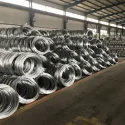
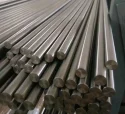
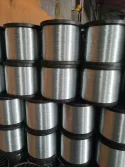
AISI 1006 and AISI 1008 carbon steel wires differ mainly in carbon content; AISI 1006 has approximately 0.06% carbon, making it extremely ductile and soft, ideal for deep drawing and forming. AISI 1008 has a slightly higher carbon content at about 0.08%, which offers better tensile strength while still maintaining good ductility. These differences make each grade suitable for specific applications where varying levels of strength and formability are required.
Q2.Can AISI 1006 and 1008 carbon steel wires be used for electrical applications?
While AISI 1006 and 1008 provide excellent formability and ductility, they are typically not recommended for electrical applications due to their low electrical conductivity compared to other materials like copper. These grades are better suited for structural and mechanical applications where mild carbon steel is acceptable.
Q3How do the forming properties of AISI 1006 and 1008 impact their use in manufacturing?
The excellent forming properties of AISI 1006 and 1008 make them ideal for manufacturing processes that require intricate shapes and deep drawing, such as producing automotive body parts, appliances, and various types of containers. Their ability to undergo severe deformation without cracking or failing is a key benefit in settings that demand high levels of cold workability.